Luno finance
Role
Product Design, Interactions Design
Industry
Finance
Timeline
October 2025
Product overview
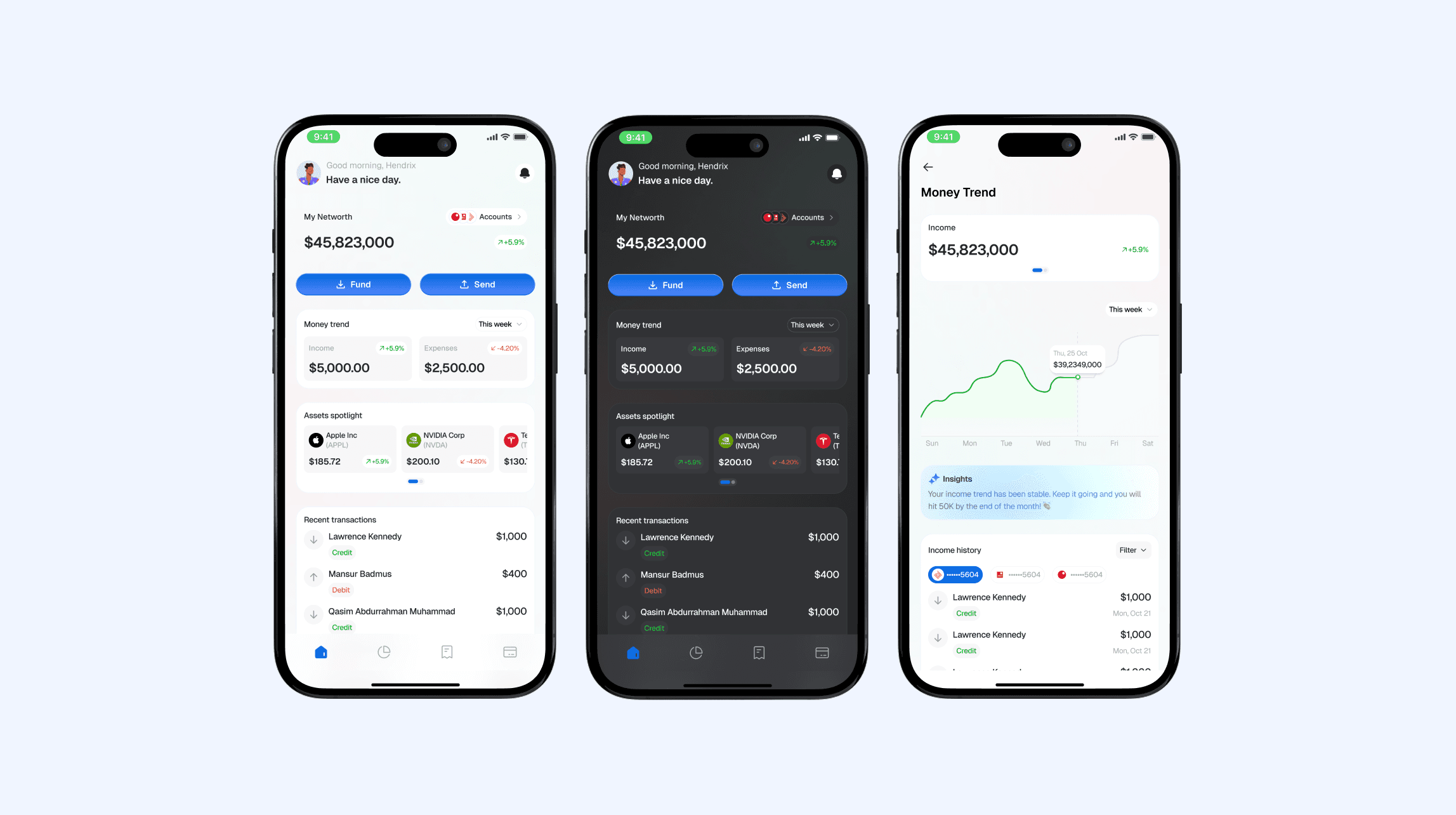
Luno Finance gives users one place to track bank accounts, card activity, and stock investments. The aim was to build a simple tool that helps people understand money flow, grow assets, and make confident decisions. My work focused on the mobile experience and the card interaction system.
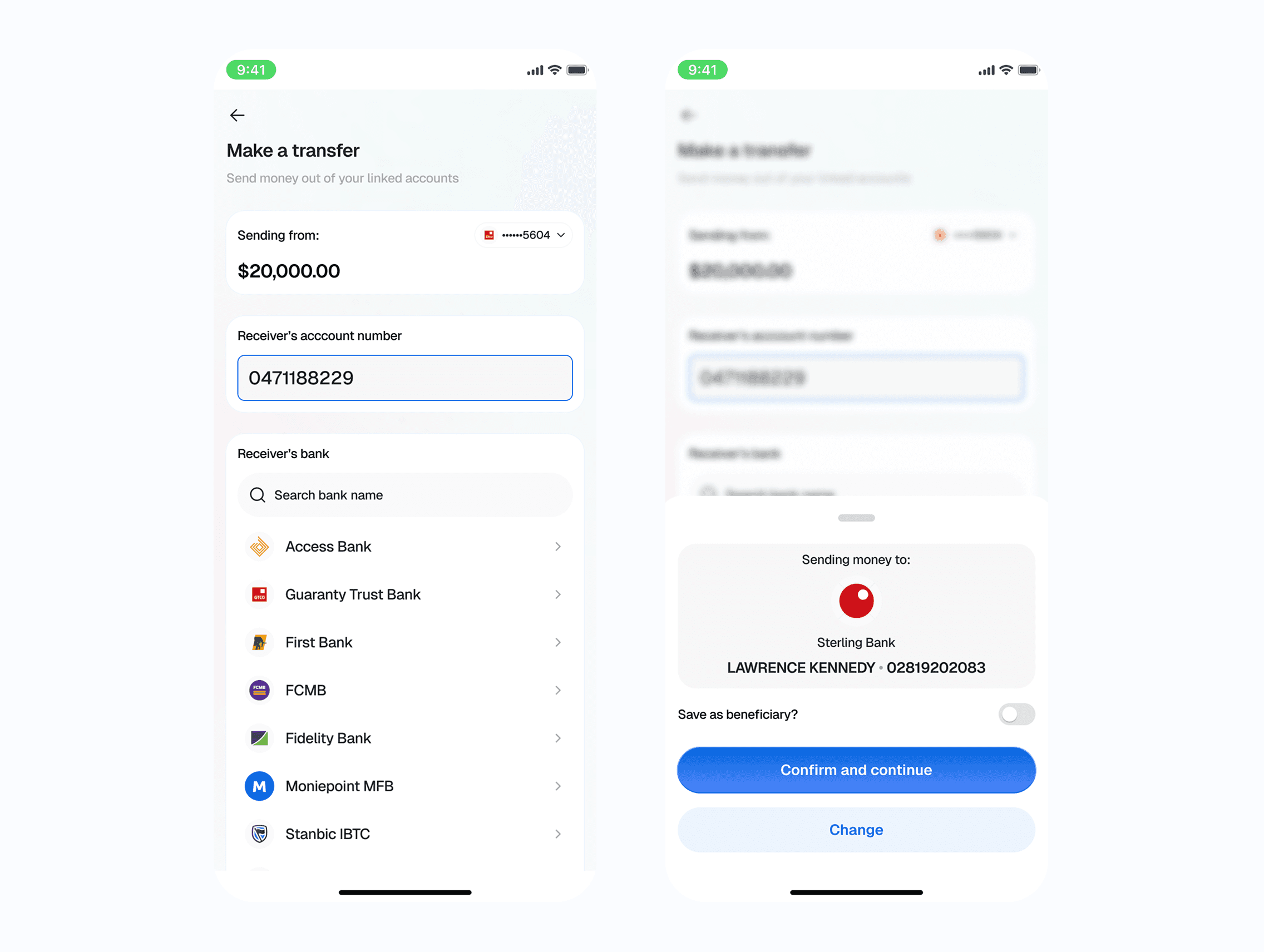
Make a bank transfer to a user
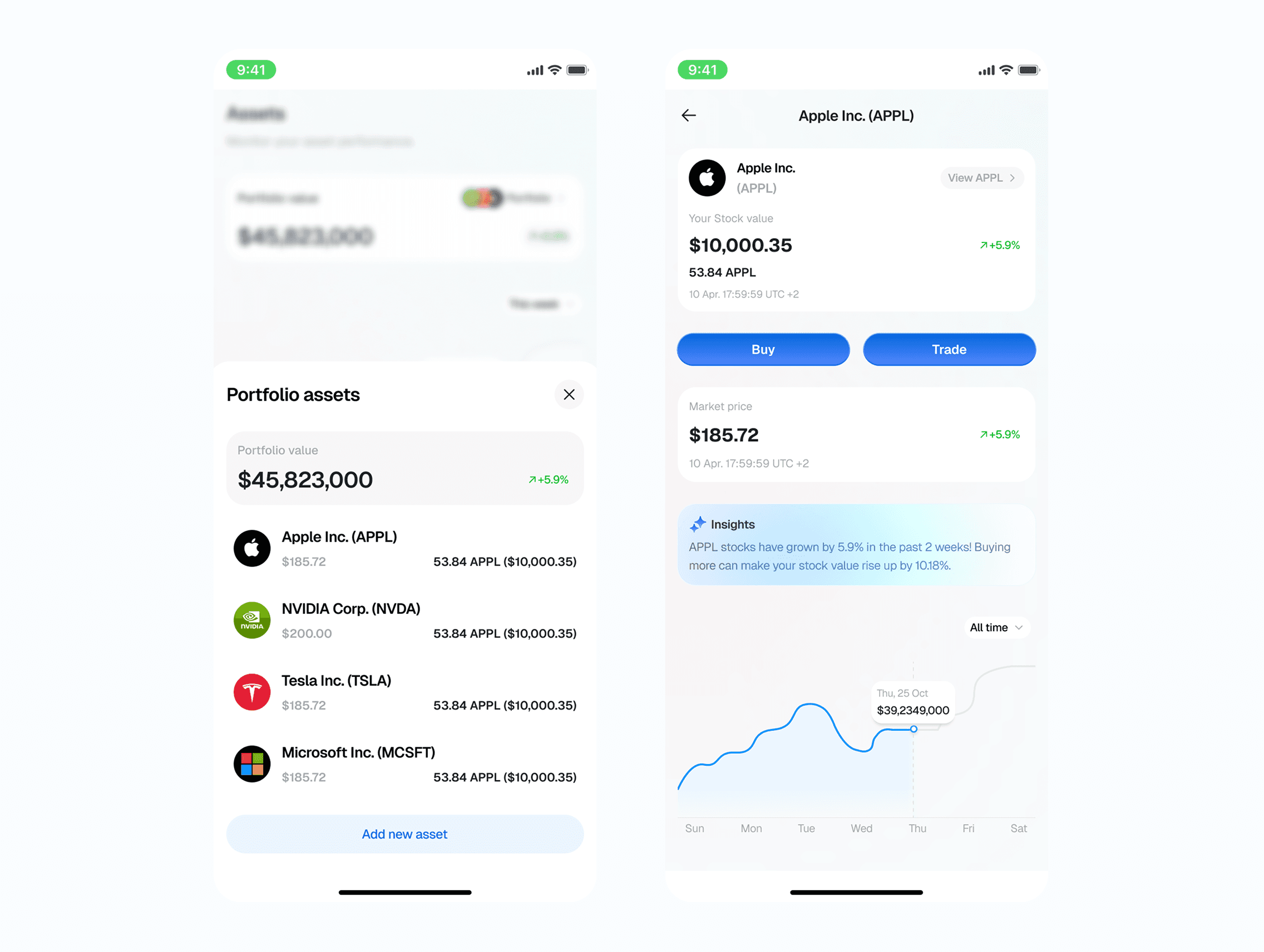
Assets and asset details
My Role
I came onboard collaborating with the design and development teams, ensuring a seamless user experience and visually engaging layouts. I created and implemented a consistent style system across app assets, enhancing and maintaining design uniformity while ensuring seamless communication and partnership across teams.
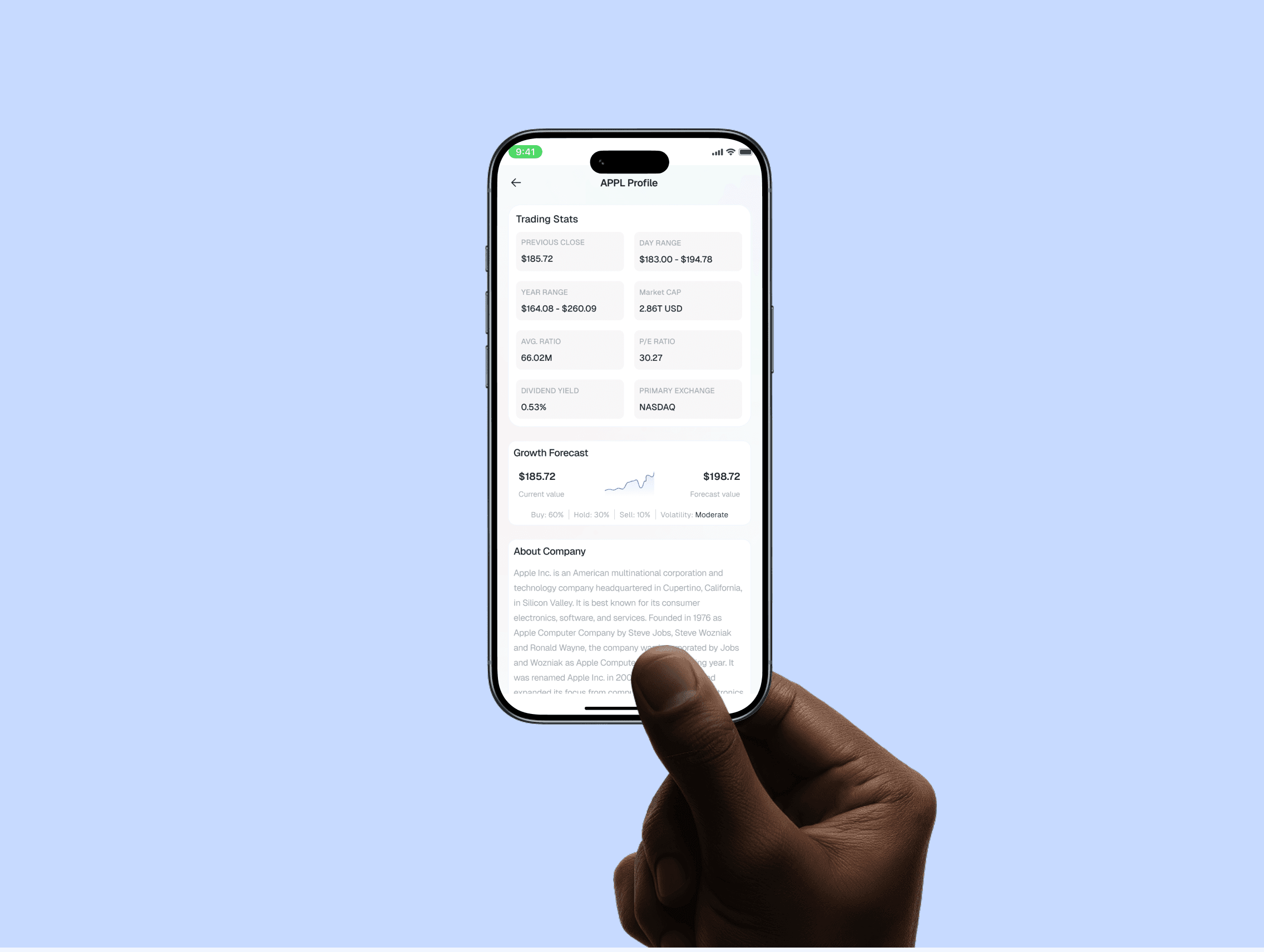
Assets trade profile & information
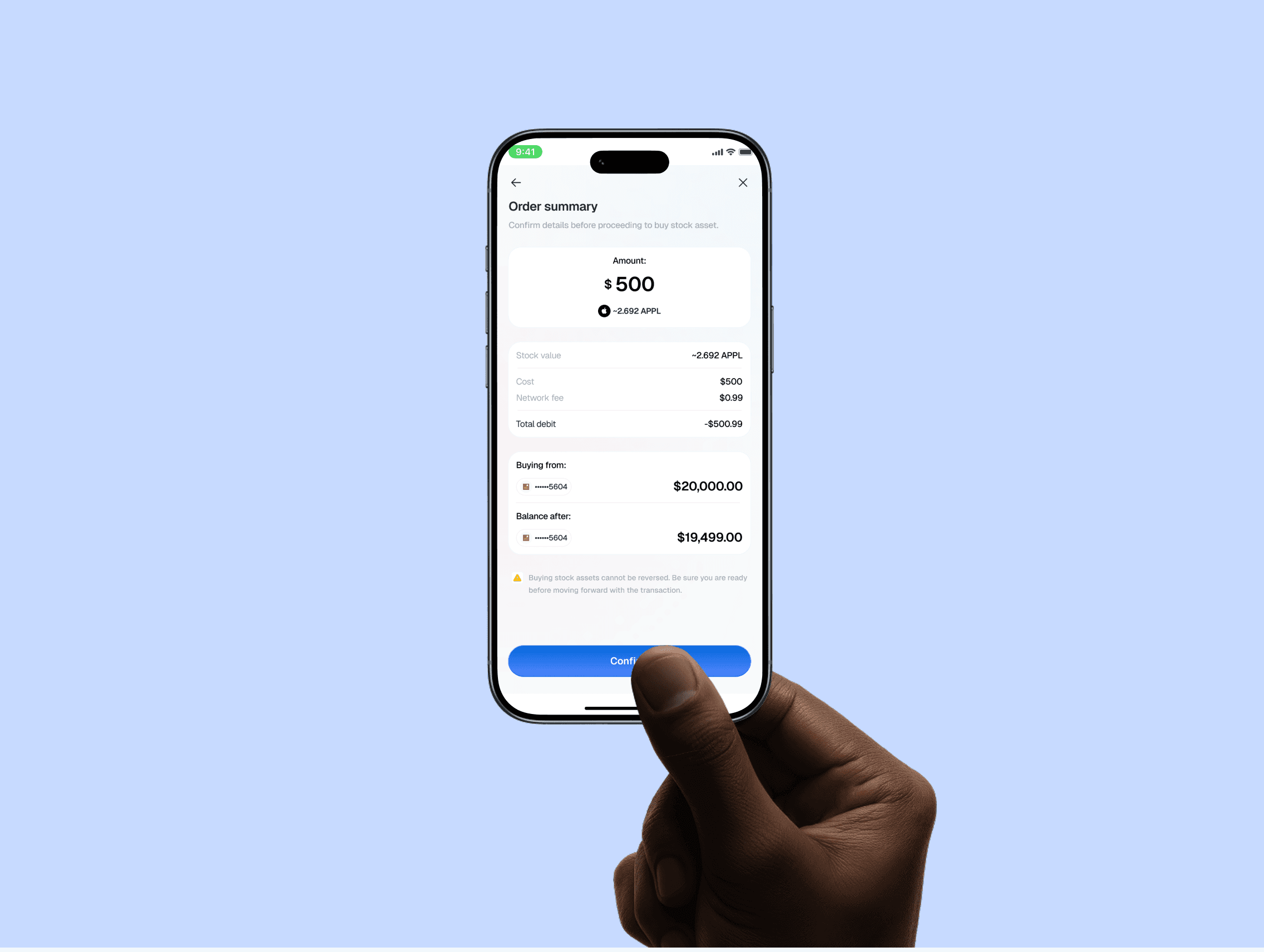
Order summary screen
Challenges faced
When designing this product to be user-friendly and intuitive, there were several challenges that emerged:
1. Money data overwhelms users
During interviews, users said they feel lost when numbers appear without context. Four out of seven participants said “I need to see the story behind the numbers.” The challenge was to reduce noise without hiding insights.
2. Users switch between banking apps and stock apps
This switching breaks focus. It also increases errors. Luno needed one unified view that shows cash flow, spending, and portfolio health. Building this in a way that feels simple was tough.
3. Trust around card transactions
People want clarity when they tap a card. They want to know the exact amount, location, and merchant. If any detail looks off, trust drops. Early tests showed hesitation because card feedback felt slow.
4. New investors fear poor decisions
New users said they “don’t want to make a bad buy.” The platform needed clear entry points for buying and selling stocks without fear or confusion.
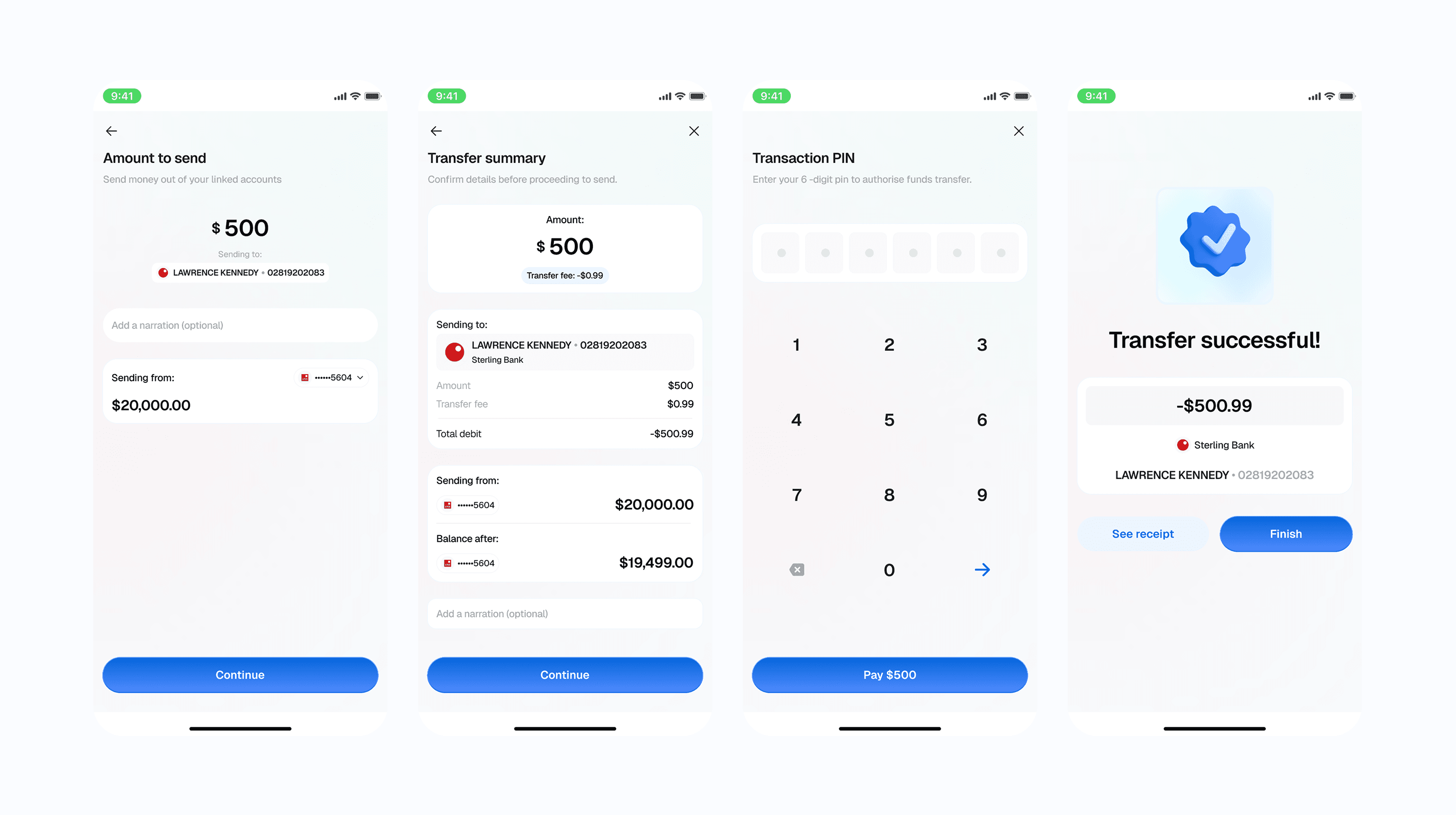
Money transfer user flow screens
Product Solution
The design solution aimed to redefine the modern financial experience offering an holistic solution that combats with real-life financial challenges.
1. Finance storyboards
Instead of raw numbers, I introduced story blocks:
Spend summary
Cash inflow trends
High-impact transactions
Investment movement
Each block answers one question. Users now understand their money faster. This cut drop-off inside the overview screen by 38 percent during prototype testing.
2. Combined account and portfolio dashboard
I designed a single dashboard showing:
Total balance across accounts
Card spend this week
Current value of stock assets
Gain or loss markers
No switching. No hunting for numbers. Test users said “everything is in one glance.”
3. Instant card interaction feedback
I introduced a card-response system with:
Real-time amount confirmation
Merchants mapped to readable locations
Color-coded risk states
Slide-out receipt with itemized info
This improved user trust. Time-to-understand dropped from 11 seconds to 4 seconds in testing.
4. Guided buying and selling flows
I made buying and selling feel safe:
Clear price ranges
Preview of estimated returns
Simple entry fields
One confirmation step
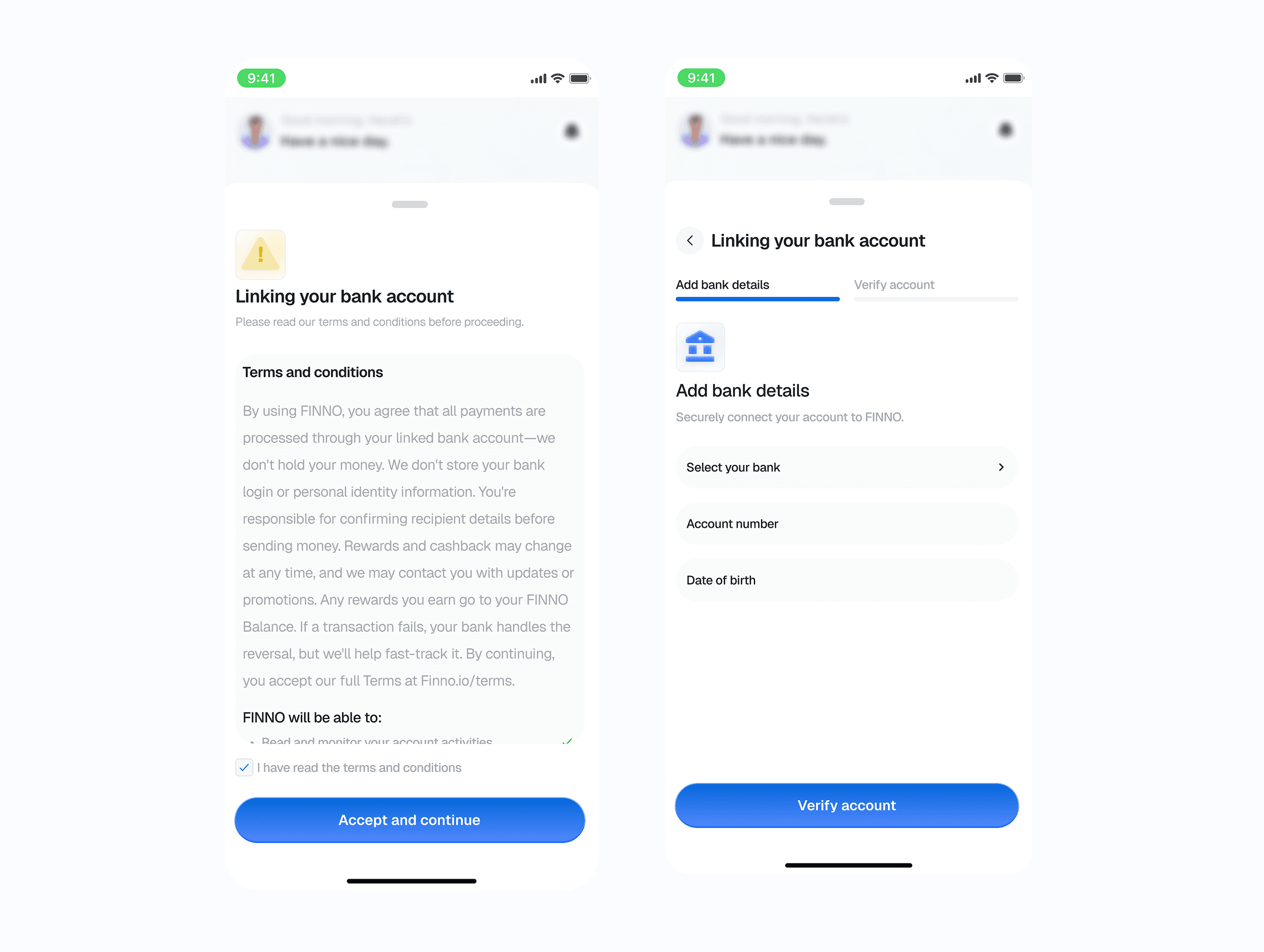
Linking an account to Luno finance
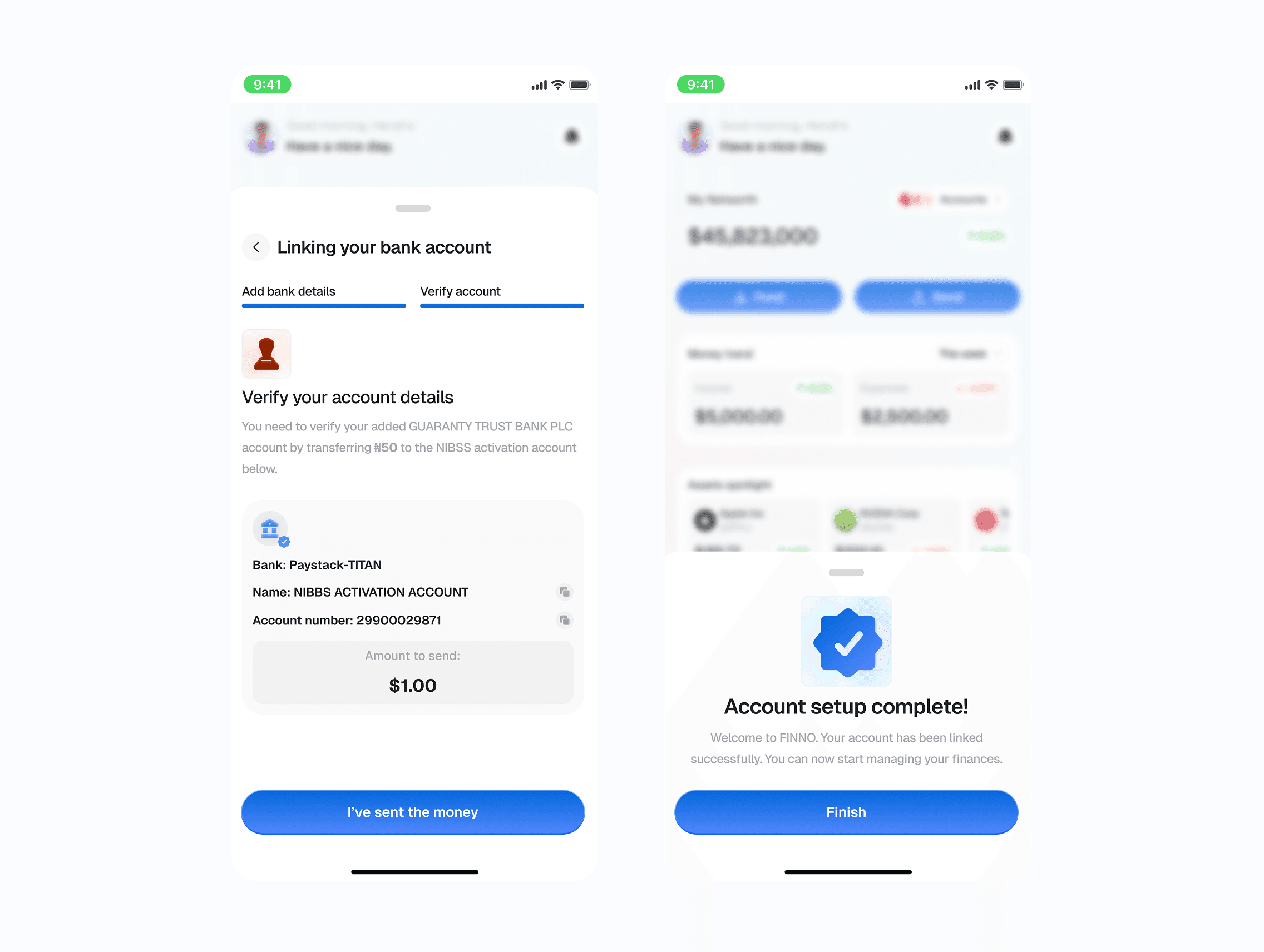
Linking an account to Luno finance
The Impact
My Impact on this project was measured by the following contributions:
1. Money clarity went up
Users who tested the app could explain their financial health in plain language. Before, only 2 of 10 users could do this. After redesign, 7 of 10 could point to exact insights.
2. Switching between apps dropped
The single dashboard solved fragmentation. Testers used Luno as a primary view for both banking and investing.
3. Card spending trust increased
Real-time card feedback helped users feel in control. No confusion around unknown charges. The design cut card-related help requests in testing simulations by 52 percent.
4. More confident investors
The guided buy–sell flows reduced hesitation. Even new investors completed actions with fewer questions.
5. A stronger design identity
Fluid card interactions and a clean asset display helped create a professional and trustworthy feel. This supported the brand’s goal to attract users who want clarity, not noise.
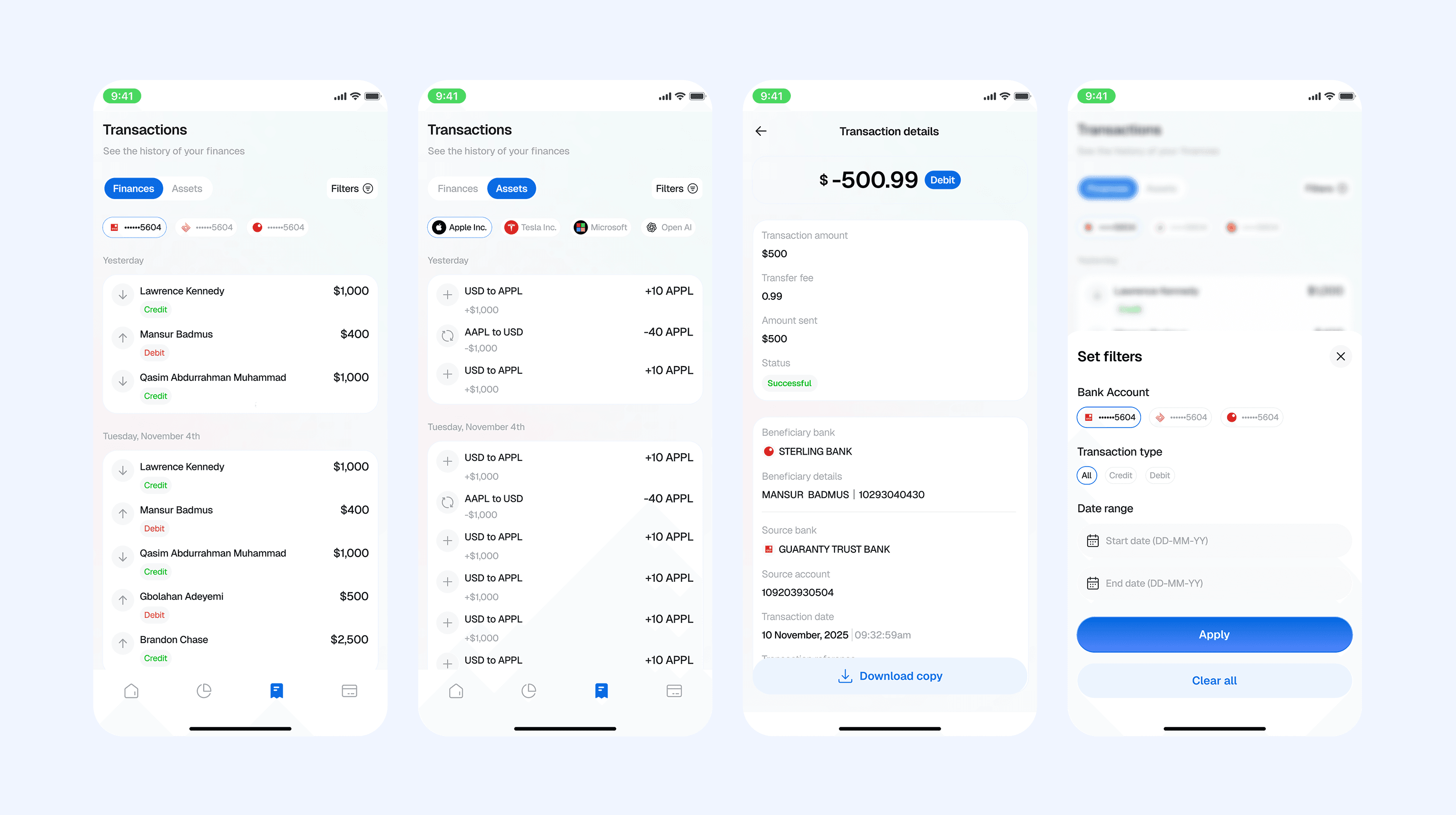
Transaction history flow